
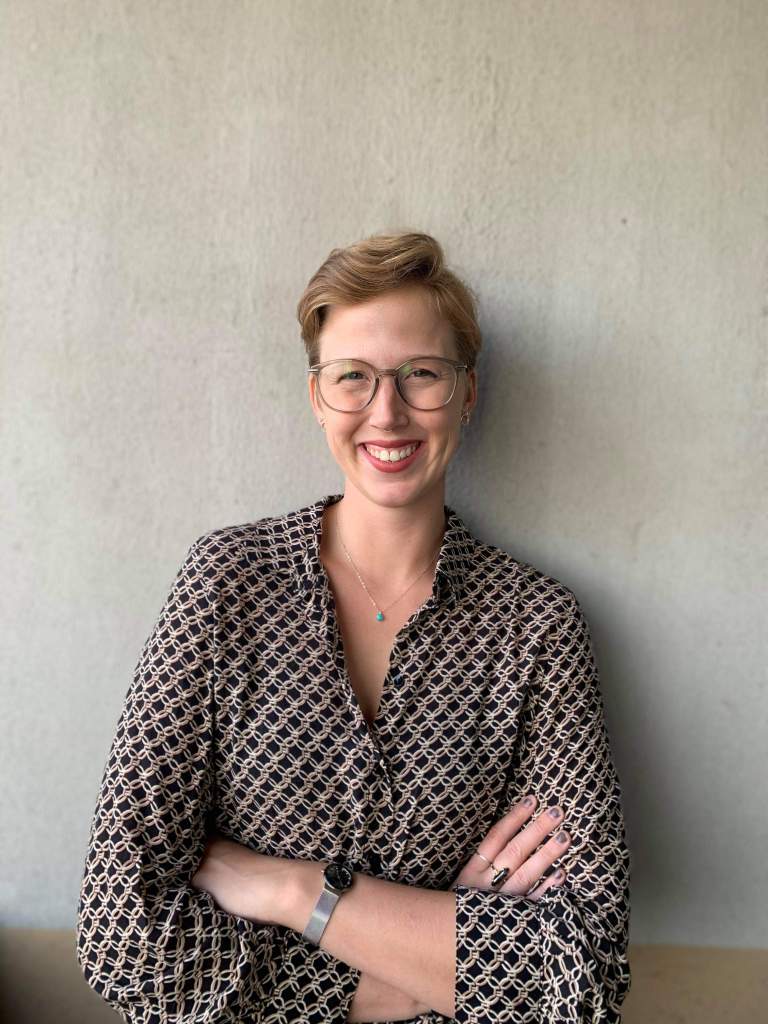

About: Julia Parrott
I am a registered with the Counselling Therapy College of PEI (#265). I hold my master’s of Counselling and Spirituality from Saint Paul University, where I completed the individual program and the couples and family training. During my master’s, I gained clinical experience providing bedside psychotherapy to patients at Saint Vincent Hospital. I enjoy engaging in community work in addition to day-to-day individual therapy. Over the past few years, I have worked at Amethyst Women’s Addiction Centre, facilitated Headstrong’s youth Mental Health Summits, completed Frayme’s Knowledge Mobility Fellowship, and co-facilitated a fear of cancer recurrence support group research study for caregivers. I currently work at PEI Rape and Sexual Assault Centre as a youth and adult therapist.
I am also a researcher, having recently published my master’s thesis called Building Resilience During COVID-19: Recommendations for Adapting the DREAM Program – Live Edition to an Online-Live Hybrid Model for In-Person and Virtual Classrooms. I have presented at conferences nationwide, including Canada’s Association for Psychosocial Oncology (CAPO), where I presented my undergraduate thesis A Novel Relationship: Fear of Cancer Recurrence, Intolerance of Uncertainty, and Quality of Life. I also wrote a digest for CAPO’s website, titled First Steps in Navigating Spiritual Palliative Care in AYA Cancer Patients.
Psychotherapeutic Approach
My therapeutic orientation is client-centred and non-judgemental. I work with the client to create a safe environment where they feel comfortable to explore their thoughts, feelings, and behaviours. As a trained systems therapist, I work to understand the unique context the client is living in because we, just like our mental health, do not exist in a vacuum.
My specialty is health psychology, I work with people who are wanting to build resilience while coping with a new health diagnosis, chronic illness, health anxiety, caregiver fatigue, surveillance fatigue or any other crossroads between our mental and physical health. I take a holistic approach to this work, exploring a client’s mental, physical and spiritual well-being.
With my clients, we cultivate resilience through understanding our history, early relationships, coping mechanisms, and thought and feeling cycles. We use this understanding to create a mental landscape that works best for the clients.
My theoretical orientations include narrative, trauma/ violence informed, systemic, emotion-focused, and existential. I help the client develop self-awareness, so they can choose how they want to react to events, opposed to passively experiencing their emotions.
** A note on spirituality. I work with spirituality to the extent that the client wishes to incorporate spirituality. Spirituality looks and feels different for different people, and I respect the client’s choice to include or exclude spirituality in our sessions.
 Yarrow Psychotherapy